Generating a model is easy now. Editing one isn’t.
Anyone can make a 3D model with OpenAI and Blender. Refora is for what comes next — editing an existing model precisely, down to a single named part, without disturbing anything around it.
Talk about licensing ↗White-label licence · your branding, your sector · pricing discussed on a call
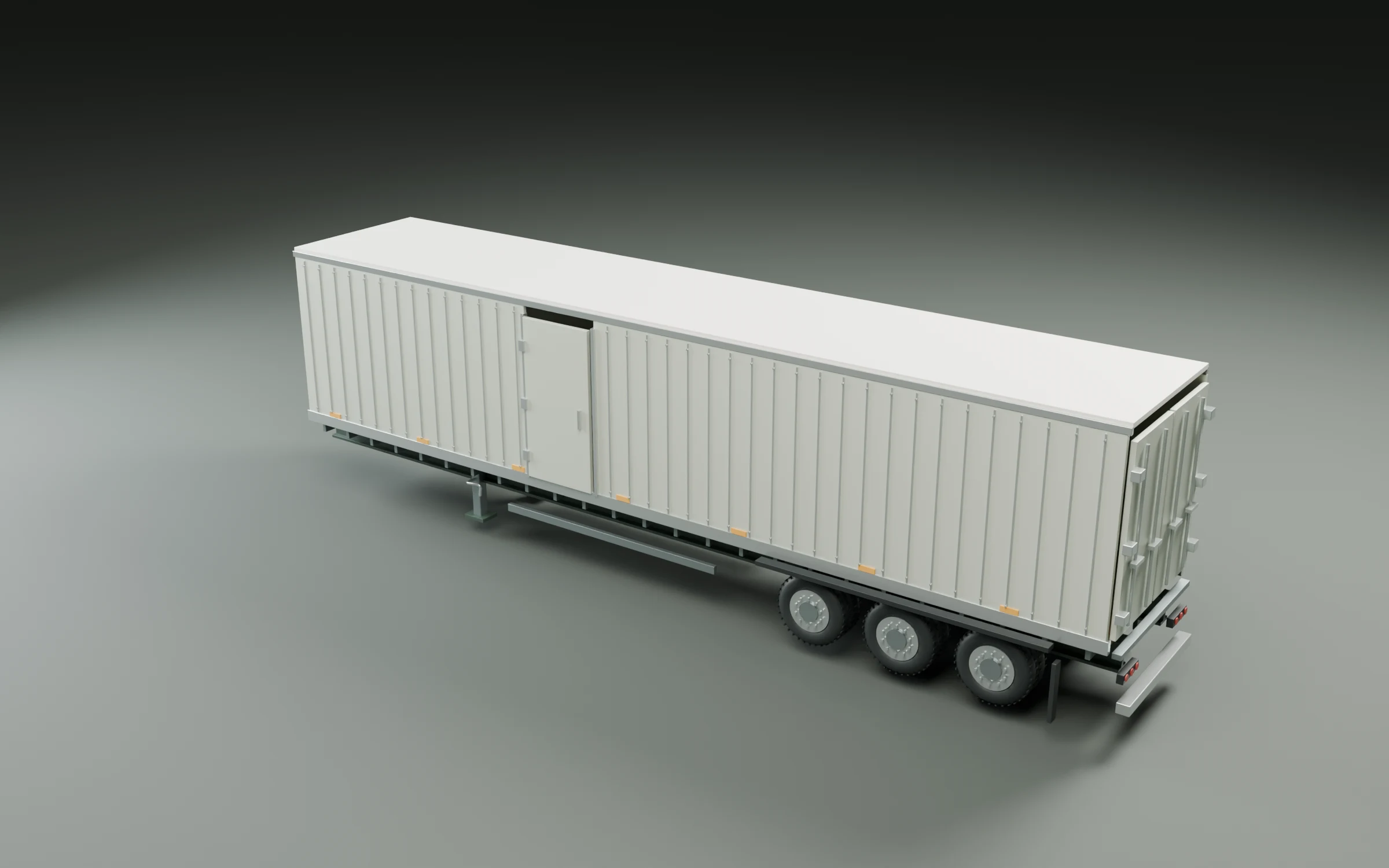
R / 13.6 m cargo semi-trailer
CONCEPT DEMONSTRATION
FULL ASSEMBLY / TRAILERSOURCE
SELECTED COMPONENTBody & access doorFull-scale assembly study
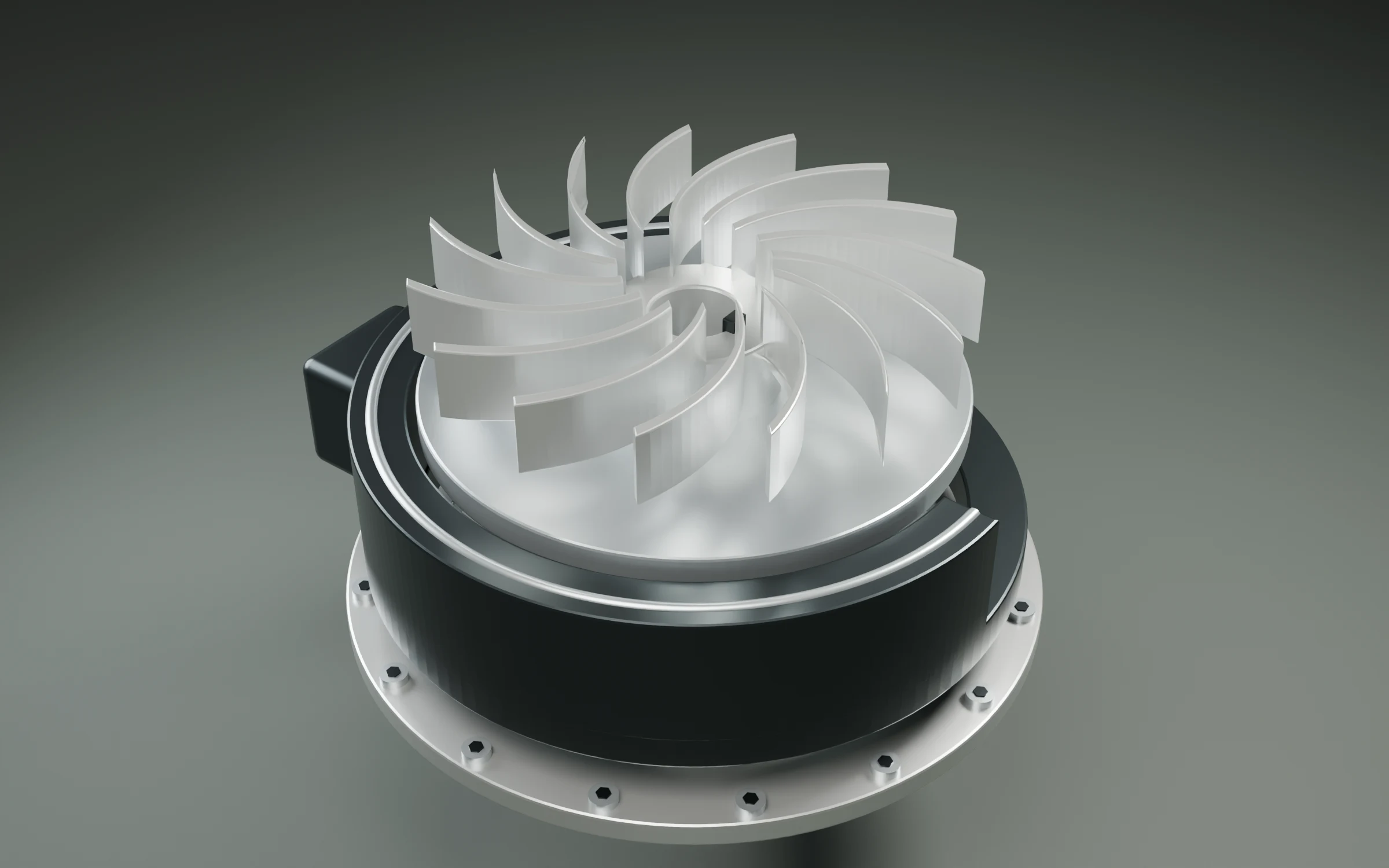
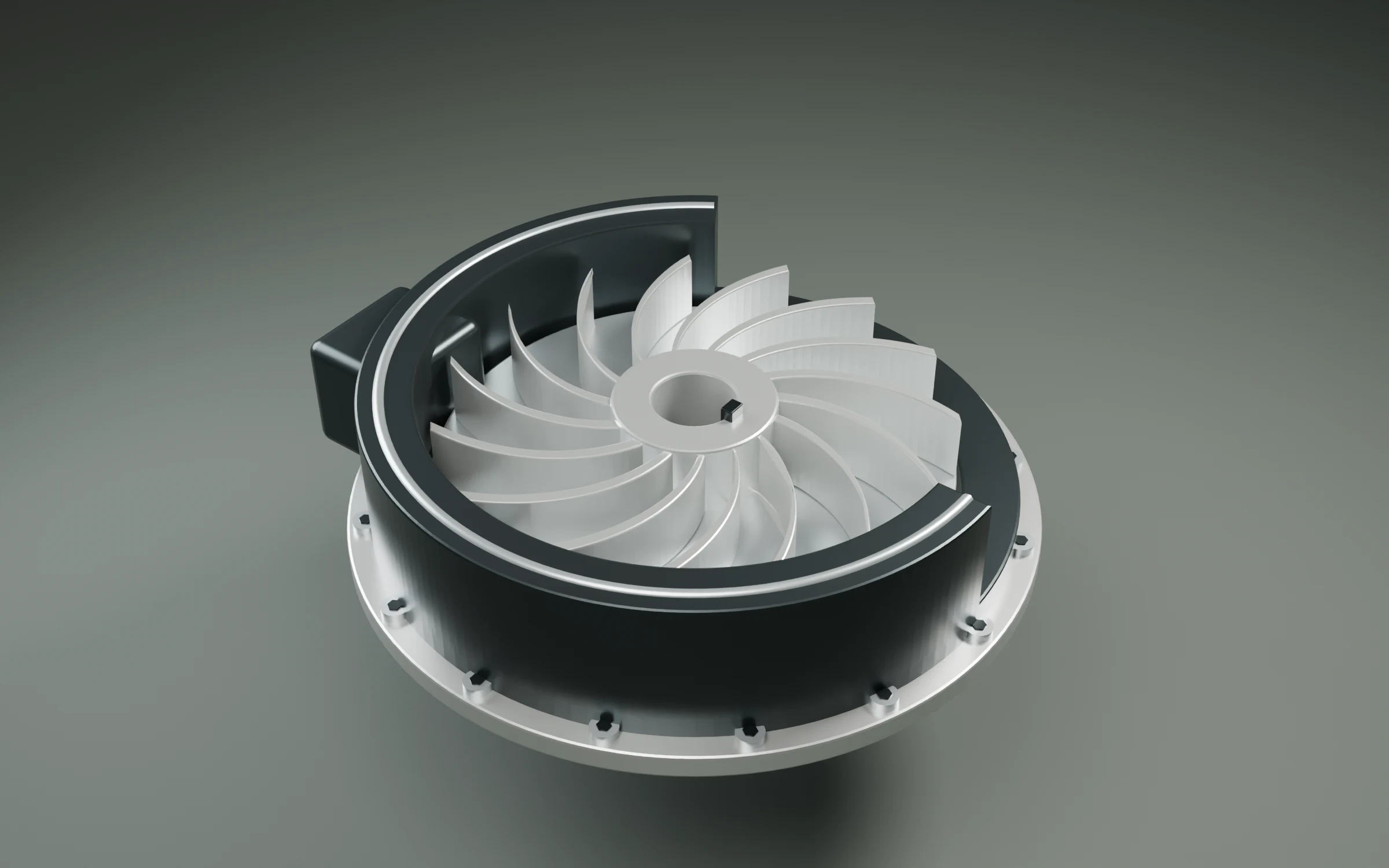
Select the impeller blades. Ghost the housing. Compare the sweep revision while the hub and bearing cartridge remain in view.
R / Centrifugal impeller cartridge
CONCEPT DEMONSTRATION
ASSEMBLY / IMPELLERSOURCE
SELECTED COMPONENTImpeller bladesFull-scale assembly study
04 / Scope
What a request keeps in view.
A request is bounded by the part you select, and the plan lists that boundary before anything runs. Review the intended changes alongside the dimensions, materials and neighboring parts you want to keep.
01
A request may change
Geometry of the selected part
The material assigned to that part
Proportion and dimensions within it
Every instance of a repeated component, when you scope it that way
New geometry, when the request calls for a part that does not exist yet
02
A request is scoped away from
Part names and the structure of the tree
Positions and origins of parts you did not select
Unit scale and up axis
Sibling geometry and their materials
The source model as a comparison reference
03
How your model is handled
Requests and model versions in one project
A reviewable plan before execution
Version history kept with the project
Deletable on request, per project
Preservation is currently stated as intent, not verified numerically. When validation ships, this page will say Refora verifies the dimensions and relationships you marked as fixed — and not before. Read the product limitations.
05 / Who it is for
One editing loop, every model that is too big to redo.
A façade, a hull, a harvester, a trailer body, a robot cell, a fitted kitchen — the work is the same: change the part that is changing and give the rest back untouched. See all use cases ↗
Robotics & automation
Cell layouts and end effectors, answered visually
An integrator's question is rarely about one part in isolation — it is whether this gripper, on this arm, reaches into that fixture inside the cell you have already built.
Scope
End effector, fence panel, conveyor section, fixture, guarding
Proves
That the proposed cell answers the customer's constraint
Reach, cycle time and safety clearance are not simulated. Verify in your cell software.
Industrial & agricultural machinery
Variants of a machine without reopening the CAD
Machine builders live on families: the same frame with a different guard, a longer boom, a wider header, a different mounting pattern for a customer who runs other tooling.
Refora is licensed white-label. A manufacturer gets a branded configurator that turns a customer’s dimensions into a real, editable, part-separated model — and keeps it.
01ENTRY
Branded pilot
One vertical, one product family, your branding. The low-friction way to prove it against your own catalogue before committing.
One project fee
02CORE
White-label licence
A full configurator on your domain, your SKUs, your branding. You own the customer experience; we keep the engine running underneath.
One-time fee · optional support retainer
03REACH
Sector module
A domain module built once and licensed across your sector, so the capability keeps earning after the first deployment.
Per vertical
Sectors we license into
Kitchens & fitted furnitureRun lengths and unit styles in, a priceable model out.
Staircases & balustradesGeometry that has to satisfy regulation before it is cut.
Marine joineryBespoke fit-out where every hull is its own set of dimensions.
Specialty trailers & bodiesBody variants on a chassis that must not move.
Stone & worktop fabricationTemplating and edge detail that drives a CNC path.
Signage & exhibition standsBuilt to a stand footprint, placed to scale on site.
07 / Changelog
What changed recently.
Build notes from the desktop early access channel.
addedPlans separate measured operations from interpretive ones and list what is intended to remain unchanged.
addedScope selector for repeated parts — select four legs and treat them as one target.
2026 · 07
v0.5 — Version history, compare and export
addedEvery applied operation creates a model version you can return to and compare.
addedGLB export retains geometry, part names, materials and embedded preset images through a round trip.
2026 · 06
v0.4 — Model understanding
addedImported models are analysed into parts with dimensions, triangle counts and repeated-component detection.
addedReference images can be attached to a request with the qualities that matter marked.
08 / FAQ
Straight answers, kept current.
Refora is designed first for editing an existing 3D model. Its main strength is keeping the original object, its parts and the project context available throughout a revision. It can author new geometry when a plan calls for a new part, but the workflow is built around the model you already have.
You do not need to perform every edit manually, but familiarity with parts, dimensions and materials helps you review the result and make better decisions. Refora exposes part lists, triangle counts and measurements because reviewing is part of the workflow.
Yes. Requests can be scoped to a single part, several related parts or the whole model. Complex changes are presented as a plan before execution, with the affected scope listed.
Yes. A reference can guide qualities such as silhouette, proportion, material, colour or construction, and you tell Refora which of those qualities matter. That is reference guidance, not an exact visual reconstruction.
Refora works part by part rather than on the whole mesh at once, so a request targets a scope — one room in a building, one section of a hull, one repeated component across an asset. Practical limits depend on part count and your machine; measured limits will be published on the limitations page once verified.
GLB is the audited round trip: geometry, part names, materials and embedded preset images survive export and re-import. Support for other formats is still being verified; check the product limitations before relying on a particular workflow.
Yes. The project keeps model versions, so previous states stay available and you can compare a result against the version before it. User-level grouped undo is in progress and this answer will be updated when it ships.
Refora is a desktop application. Windows and macOS builds are being tested. Final system requirements and installer availability will be shared when packaged builds are verified.
There is no public price list. Refora is scoped to the work: the models you edit, how complex the assemblies are and how many revisions a project runs to all change what the right package is. Tell us what you build and we will put a proposal together. Early access is free while the desktop build is in testing.
Let’s talk about your sector
What would you license?
Bring the model, the part you need to change, and the context that matters. Apply for professional early access to Refora.